
Sorry India, ISPR Isn't Buying Your Bollywood Version of Operation Sindoor
- By DJ Kamal Mustafa -
- Aug 18, 2026


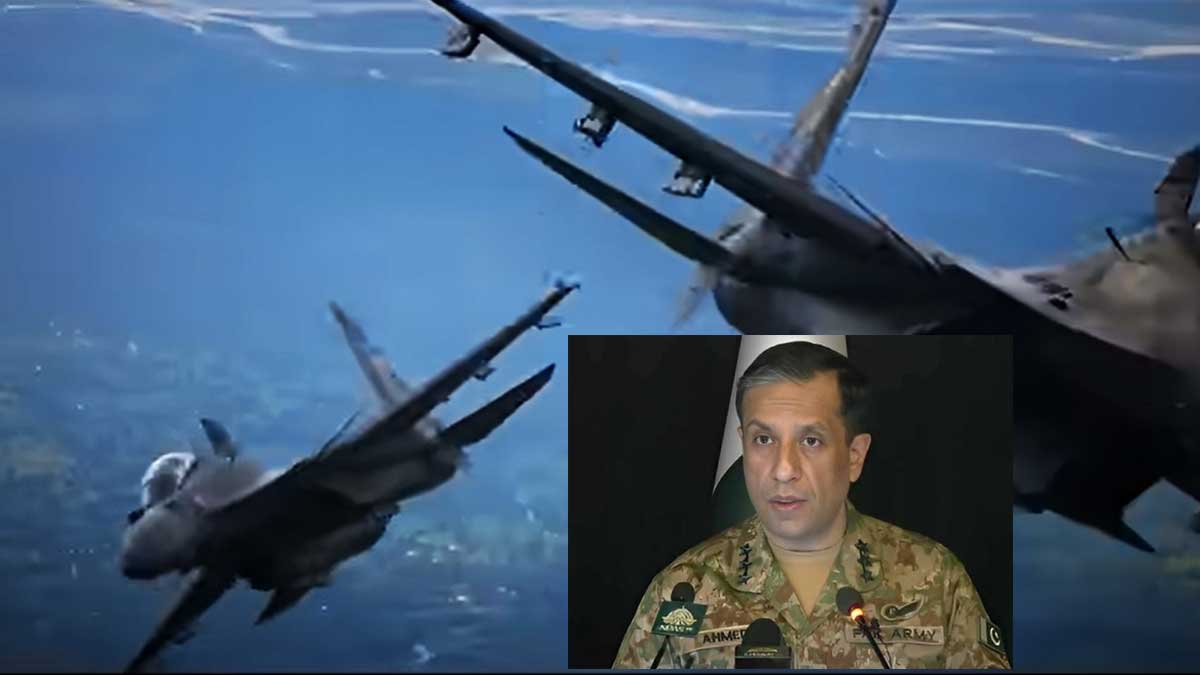
A year on, New Delhi still can’t tell its own war story straight. Only an army that lost and won’t admit it can make something this funny, and India just proved the point. It has been more than a year since Marka-e-Haq.
Instead of quietly moving on, New Delhi made what looks less like a documentary and more like a war movie. Soft lighting, dramatic music, top generals reading lines like they are picking up an award. And a story that falls apart the moment you check the dates.
Start with the main claim, because it does not hold up. The film says the Pahalgam attack on 22 April 2025 was somehow set off by a speech Pakistan’s army chief gave on 16 April. That is six days earlier. Somehow cause came before effect by less than a week, and nobody asked for proof. It plays more like a conspiracy theory than a documentary, and that theory fell apart fast once India said the real Pahalgam suspects were found and killed on 28 July. That is 82 days after Operation Sindoor was supposed to avenge them. So who did India’s jets actually target on 7 May? Someone should ask the writers, because the generals clearly did not check with them.
Then there is the biggest claim of all, one hundred percent mission success, said with the confidence of a man who lost everything at the table and now calls it a gift. By Pakistan’s own account, eight Indian military aircraft went down that night, and Pakistan hit back with Operation Bunyan un Marsoos, using Fatah rockets, precision air launched weapons, long range loitering drones, and artillery on twenty six targets. That is not what a clean win looks like. That is the kind of night a general has to explain to a parliamentary committee, not the kind he narrates over music.
Here is where the story gives itself away. The documentary cannot even stick to one version of events. One minute it talks about shock, deep strikes, and full control of the fighting. The next minute it says India was kind enough to give Pakistan a way out, as if being merciful and landing a knockout blow are the same thing. Pick one. You cannot be the tough fighter and the kind winner in the same story, unless neither version is actually true. So you show both and hope nobody notices they do not add up.
Also Read: What Really Happened During India’s So-Called Operation Sindoor? One Year of Marka-e-Haq
Then, almost by accident, the film’s own narrator reveals how the fighting really ended. Not with an Indian knockout, but with military officers from both countries talking on the phone and agreeing to stop, with help from Washington. That is not a victory. That is a ceasefire, like two boxers being pulled apart by the referee, and only one of them claiming afterward that he won.
It would almost be sweet, this need to turn a draw into a win, if it were not so clearly meant to calm people back home. Nobody hires a film crew, picks certain interviews, and adds emotional music because the truth already looked good. You do it because the truth needed help. As Pakistan’s military spokesman said, no amount of movie style rebuilding can erase lost aircraft or change the order of who hit whom and when.
None of this is really about a film. It is about a government that would rather act out a new version of events than accept one it did not like, and an audience expected to clap for the special effects instead of asking why the numbers do not match. History does not need India’s editing. The wreckage, the timeline, and India’s own mixed statements already tell the story well enough.