
Iran demands $24 billion in frozen assets before any deal with Trump
- By Jahanzaib Ali -
- Jun 09, 2026


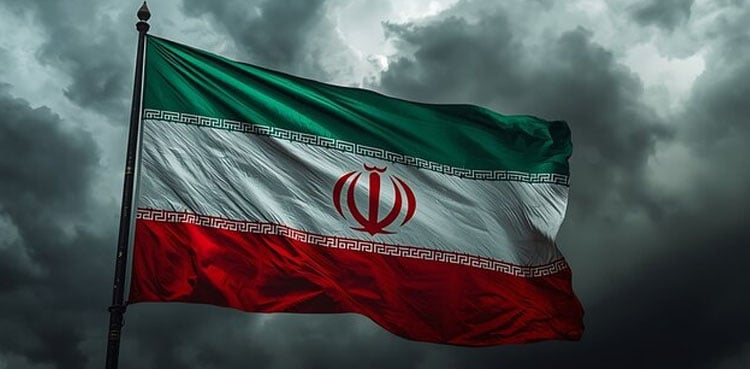
Diplomatic efforts aimed at securing a breakthrough agreement between the United States and Iran are showing signs of progress, with Pakistan playing an increasingly significant mediating role. However, a major obstacle remains unresolved: Tehran’s demand that Washington release $24 billion in frozen Iranian assets before any formal agreement can be finalized.
According to Iranian officials, recent diplomatic contacts have helped ease several points of contention that had stalled negotiations for months. Sources familiar with the discussions say Pakistan’s involvement, including the recent visit of Pakistani Interior Minister Mohsin Naqvi to Tehran, has contributed to narrowing differences between the two sides and reopening channels for dialogue.
Despite the progress, Iranian leaders have made clear that the restoration of frozen assets remains a fundamental precondition for any agreement.
Mohsen Rezaei, a senior military adviser to Iran’s Supreme Leader, said the responsibility for breaking the current deadlock rests with President Donald Trump and his administration.
In an exclusive interview with CNN, Rezaei argued that Washington must demonstrate good faith by releasing the frozen funds before expecting Tehran to commit to a broader peace framework.
“If the United States genuinely wants an agreement with Iran, it must first restore the $24 billion that belongs to the Iranian people,” Rezaei said. “This is Iran’s money, not American money.”
According to the report, Tehran is seeking an initial release of $12 billion immediately upon signing an interim agreement, with the remaining $12 billion to be released at a later stage as part of a phased implementation process.
U.S. officials, however, remain divided over the proposal. Some policymakers fear that releasing the assets too early would eliminate one of Washington’s most significant sources of leverage over Tehran and reduce pressure on Iran to comply with future commitments.
Sources familiar with White House deliberations say President Trump is actively reviewing potential frameworks that could allow for the partial restoration of Iranian assets while maintaining safeguards designed to preserve American negotiating leverage.
Iran says US ‘directly responsible’ for ceasefire breaches
The negotiations come at a particularly sensitive moment in the Middle East.
Following a fresh exchange of military strikes between Iran and Israel, the Trump administration has once again pushed both sides toward a ceasefire arrangement. Diplomatic sources say Washington has been working intensively to prevent the conflict from escalating into a broader regional war.
Iran has warned that any renewed Israeli military action against Lebanon could trigger another round of Iranian strikes on Israeli targets, underscoring the fragile nature of the current ceasefire.
President Trump, who has repeatedly expressed his desire to reach an agreement with Tehran, publicly urged both Iran and Israel to “immediately stop attacking each other” and avoid actions that could derail diplomatic efforts.
The international pressure facing the White House is being compounded by growing political challenges at home.
Trump has encountered increasing resistance from members of his own Republican Party in Congress. During recent votes on several key resolutions and legislative proposals, a number of Republican lawmakers broke ranks and voted against administration-backed measures, while dozens of others were absent during critical votes.
The president is also confronting a difficult domestic landscape marked by persistent inflation concerns, political polarization, preparations for upcoming midterm elections, and mounting tensions with several traditional U.S. allies.