
Iran threatens to hit Gulf states if US launches new strikes
- By Reuters -
- Aug 06, 2026


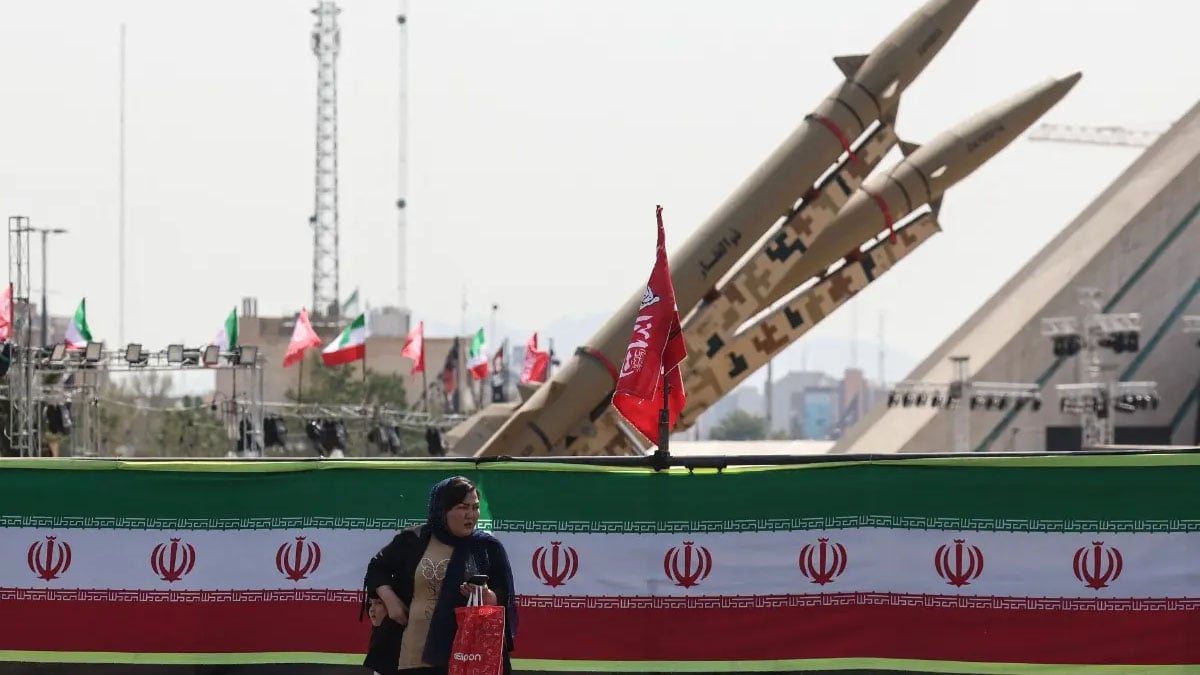
Iran has warned Gulf states that any new U.S. attack on its territory would trigger retaliation against critical energy infrastructure across the region, according to five sources, as Tehran seeks to raise the cost of military action by threatening Washington’s closest regional allies.
The warning was delivered through a flurry of high-level diplomatic contacts after President Donald Trump threatened on July 28 to strike Iran’s energy network and infrastructure, the sources said.
Two senior Iranian officials, two Gulf sources and a senior regional diplomat with knowledge of the discussions said Iranian Foreign Minister Abbas Araqchi spoke with his Saudi, Turkish and Qatari counterparts, as well as Pakistan’s army chief. All spoke on condition of anonymity because of the sensitivity of the matter.
Araqchi urged Washington’s Gulf allies to use their influence with Trump to dissuade him from launching renewed strikes, the senior diplomat said, warning that any attack on Iran would prompt retaliation against U.S. assets and energy facilities across the Gulf.
His message was consistent in every conversation, the diplomat said: “We’re ready to retaliate, but finding a diplomatic solution is the best way to avoid wider escalation and destruction across the region.”
“The Iranian warning was unequivocal: if America targeted Iran’s infrastructure, they would retaliate by striking Gulf energy facilities and other regional targets,” one Gulf source said.
The diplomatic maneuvering underscores how Iran is attempting to use the threat of wider regional destruction as leverage against further U.S. strikes, putting Gulf states that host U.S. military bases and depend on energy exports in a difficult position between Washington and Tehran.
Read more: Iran and Oman reach understanding on coordinates of route through Hormuz
Saudi Crown Prince Mohammed bin Salman subsequently spoke with Trump, urging him to delay military action, return to negotiations, secure a ceasefire and pursue a diplomatic settlement, the senior diplomat and Gulf sources said.
The warning was intended for every Gulf state, another Gulf source said, but was conveyed primarily through Saudi Arabia and Qatar. Iran has in recent years repaired ties with its Gulf neighbours, including former regional rival Saudi Arabia.
Qatar, Oman and Saudi Arabia have all urged Washington to resume talks with Tehran and avert renewed conflict amid Iranian warnings that another round of U.S. strikes could “turn the region into a fireball”, the second Iranian official said.
On August 2, Trump said he agreed to cancel the attack on Iran “subject to being able to rapidly make a deal”.
“Saudi Arabia believes further escalation will only bring more destruction,” the first Gulf source said. “That is why it urged Trump to give diplomacy a chance.”
While urging Washington to pursue diplomacy, Riyadh also made clear it would defend itself if threatened. The second Gulf source said Saudi Arabia warned that any attack on its territory would be met with a military response.
Ali Shihabi, a Saudi analyst close to the Royal Court, said the kingdom’s assessment is that further escalation is unlikely to achieve the desired result. “The Kingdom believes a combination of proportionate military responses and sustained pressure on Iran in the Strait of Hormuz offers the strongest path toward a practical diplomatic settlement,” Shihabi said.