
Iranian rial still selling in Pakistan despite renewed Iran-US conflict: check rate today
- By Fahad Ali -
- Jul 14, 2026


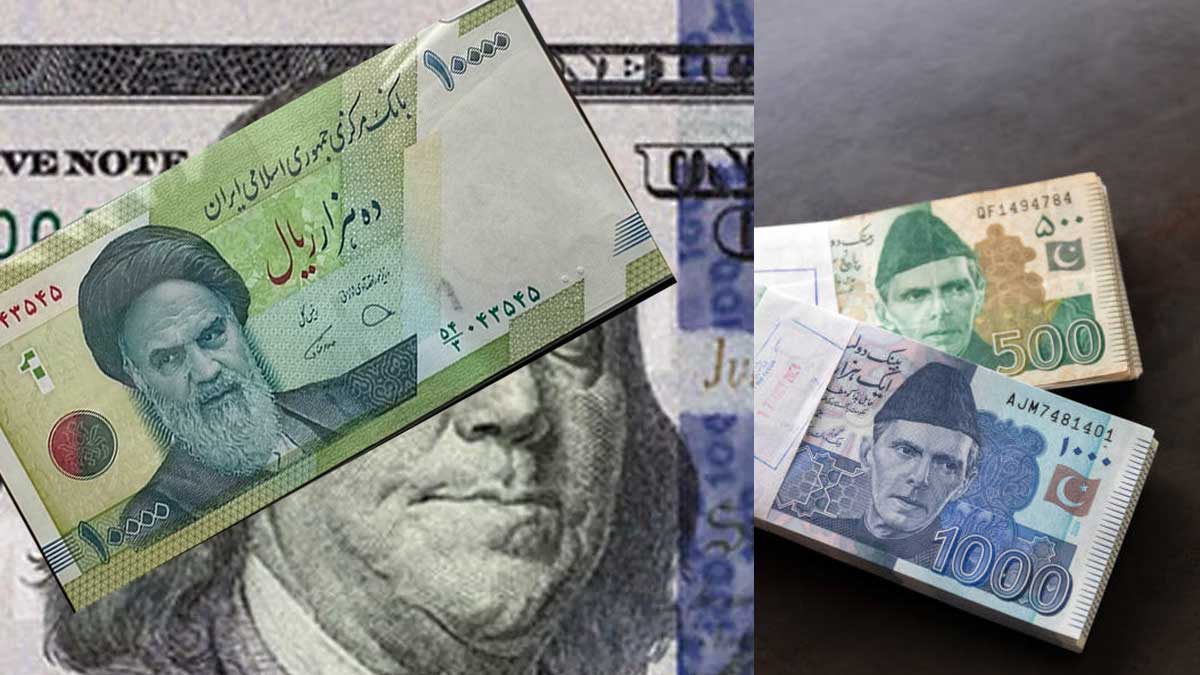
KARACHI: As ceasefire between United States and Iran has effectively collapsed, with fresh US strikes targeting Iranian military sites and Tehran retaliating against shipping and regional targets in the Strait of Hormuz, economic uncertainty continues to weigh on the Iranian rial (IRR) rate against US Dollar (USD) and Pakistani Rupee (PKR).
Pakistan continues to see strong interest in purchasing Iranian rials, even as tensions rise-with reports of naval blockades being re-imposed and commercial vessels being targeted-as traders speculate that future diplomatic solutions or sanctions relief could boost the currency.
The CBI’s official currency exchange rates of July 14, 2026 indicated that while 30 currencies rose against the rial and 16 fell the day before, 1 US Dollar rose from 1,358,323 rials on July 13 to 1,359,712 Iranian Rials. One Euro fell from 1,550,608 to 1,550,497 rials.
One hundred Pakistani rupees increased from 488,370 to 489,083 rials but surprisingly a standard 1 CRORE IRR packet is still changing hands for 6000 to 7000 PKR.
According to the SANA system, which monitors exchange offices, 1 US Dollar trades at approximately 1,496,270 Iranian Rials and 1 Euro at 1,706,216 rials. Open or black market prices of the US Dollar ranged from around 1.81 to 1.84 million Iranian Rials. The Euro varied between 2.06 million and 2.09 million rials.
The current disparity between the official rate and the open market price highlights the effects of sanctions, the current geopolitical tensions, and disruptions in international trade routes.
According to mid-market rates, 1 Iranian rial is equal to approximately 0.000202 Pakistani Rupees (PKR), or 1 PKR equals roughly 4,950-4,956 IRR.
The figures remain the same as per conversions using the CBI’s current PKR rates, although they will vary in the local market due to buy demand. The demand from Pakistan is fueled by the notion that any successful resolution and de-escalation would help stabilize Iran’s economy by increasing its oil exports and breaking its international isolation, which in turn would lead to a significant strengthening of the rial.
However, the geopolitical uncertainties mean that acquiring rials at open market prices with an even larger premium reflects high risk for the buyers-particularly since such purchasing positions have been created with expectations of capital gains that could result from a peaceful resolution of the current tensions.