
IHC abolishes mandatory gown requirement for lawyers
- By Web Desk -
- Mar 31, 2026


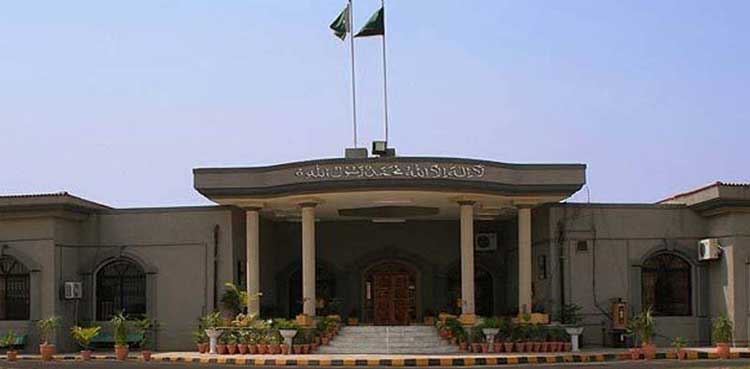
ISLAMABAD: The Islamabad High Court has abolished the mandatory requirement for lawyers to wear gowns during court proceedings until further orders, ARY News reported.
According to an official notification issued on the directions of Chief Justice Aamir Farooq, the long-standing tradition of wearing gowns by lawyers has been suspended.
The notification states that lawyers appearing before the Islamabad High Court will no longer be required to wear gowns. The decision will come into effect from April 1.
The order was formally issued by the Deputy Registrar General following the Chief Justice’s directives.
The move marks a significant shift from traditional courtroom dress practices, with the suspension of the gown requirement to remain in place until further instructions are issued.
Also Read: IHC issues detailed verdict in Justice Jahangiri appointment case
In other news, the Islamabad High Court (IHC) has lifted the stay on recruitment in Islamabad Police and other government institutions, marking a major development in the ongoing case concerning the quota system.
A three-member larger bench, headed by Chief Justice Sardar Muhammad Sarfraz Dogar, heard the case, which challenges the allocation of reserved quotas for provinces and other territories in the recruitment of Islamabad-based government departments.
The court ordered that recruitment in Islamabad, including the police, health, and other institutions, should proceed according to the existing quota system. The hearing was adjourned after lifting the restraining order.
Chief Justice Dogar noted that recruitment had been stalled since 2024, preventing many eligible candidates from securing jobs. He emphasized that while Islamabad residents have rights, candidates from other provinces are also entitled to the allocated quotas.
The Islamabad Police is recruiting 118 ASIs, 800 constables, and 1,100 ministerial staff. Under the quota system, 50 percent of seats are reserved for local candidates, with the remaining reserved for applicants from other provinces and territories.