
No loadshedding in THESE cities despite countrywide 2.5-hour cuts
- By Web Desk -
- Apr 14, 2026


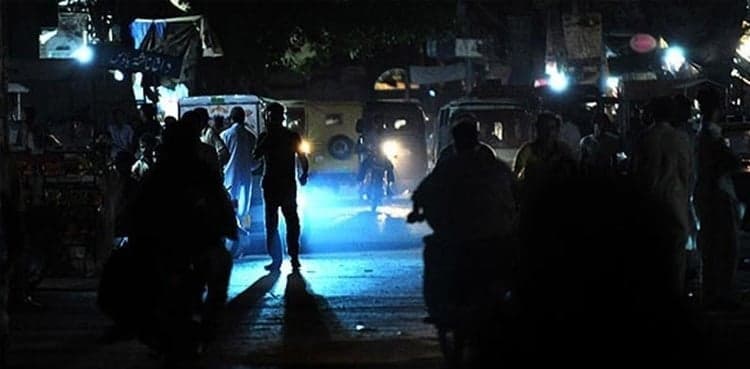
ISLAMABAD: The government of Pakistan has announced that no loadshedding of up to two and a half hours will be carried out for consumers of Hyderabad Electric Supply Company (HESCO) and K-Electric under its peak hours relief strategy.
A spokesperson for the Power Division clarified that the decision has been taken due to reduced reliance on furnace oil and the availability of cheaper electricity generated from alternative sources in the southern region.
He said a surplus of low-cost electricity is being produced in southern Pakistan and is being efficiently utilized within the respective distribution companies.
The spokesperson added that the benefit of this cheaper electricity will be passed on to consumers, ensuring relief and avoiding unnecessary inconvenience.
He further emphasized that, due to improved power availability, consumers are not being subjected to undue hardship through load management.
Loadshedding hours announced in Pakistan
Earlier, the federal government had decided to enforce around 2.25 hours of daily electricity loadshedding across Pakistan as part of a “peak relief strategy” aimed at preventing a potential increase of up to Rs6 per unit in power tariffs.
In an official statement, the Power Division said that despite challenging global conditions, electricity generation in the country remains stable and sufficient to meet overall demand.
It said, however, the main challenge arises during peak hours—from 5pm to 1am—when electricity demand surges significantly. The situation is further exacerbated by reduced generation from hydropower plants during the summer season.
The statement noted that meeting this increased demand through expensive fuel sources, such as furnace oil, could lead to a substantial rise in electricity prices.
To address this, the government has decided to suspend power supply for approximately 2.25 hours daily during peak hours. The measure aims to minimize reliance on costly fuel and contain any potential increase in electricity tariffs.
The Power Division said the move is being closely monitored under the direct supervision of Prime Minister Shehbaz Sharif, who has directed authorities to ensure that electricity prices do not rise excessively.
Officials added that while efforts are being made to limit the use of furnace oil, consumers may still face an increase of around Rs1.5 per unit. Without these measures, the hike could have reached Rs5 to Rs6 per unit.
Distribution companies (DISCOs) have been instructed to share loadshedding schedules with consumers in advance and ensure adherence to the announced timings. In case of unscheduled outages due to technical faults, consumers will be informed accordingly.