
Pakistan seeks $10 billion exchange stabilization facility from US: sources
- By Reuters -
- Jul 22, 2026


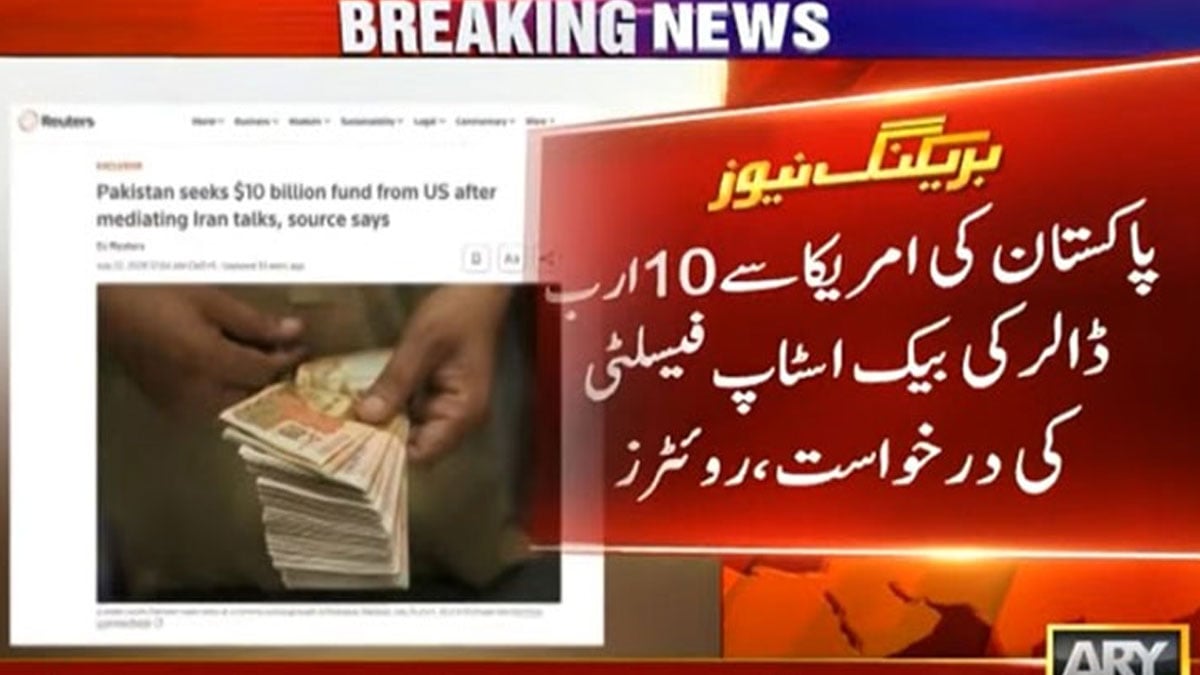
Pakistan has asked the United States for a $10 billion exchange stabilization facility, according to a source briefed on the matter, which, if approved, could provide a lifeline for the cash-strapped South Asian economy.
In the request to U.S. Treasury Secretary Scott Bessent, Islamabad is seeking a Bilateral Exchange Stabilization Support Facility between the U.S. and the Pakistani government worth $10 billion with maturity of up to five years.
The facility, if agreed to, would bolster Pakistan’s reserves, ease pressure on the rupee and reduce its reliance on multilateral financing, even as Islamabad undertakes tighter fiscal and monetary policies in line with its International Monetary Fund program
The U.S. Treasury declined to comment on the reported request.
Pakistan’s finance ministry did not immediately respond to Reuters’ request for comment outside of Asia business hours
Pakistani Finance Minister Muhammad Aurangzeb met with Bessent in Washington on Tuesday and said he had raised the vulnerability of the country’s economy to regional geopolitical developments, the ministry said in a statement that did not mention the request.
Read more: Pakistan, US vow to deepen economic ties
“Senator Aurangzeb sought greater U.S. support for Pakistan’s road to market, underpinned by improved access to international capital markets, higher foreign exchange reserves, and enhanced sovereign credit ratings,” it said, adding that both sides reaffirmed their commitment to deepening bilateral economic cooperation, promoting greater U.S. investment, and advancing strategic projects.
Pakistan remains under $7 billion IMF discipline that has required politically unpopular tax increases, spending restraint and reforms.
Exchange stabilization facilities are rare U.S. Treasury backstops, usually routed via the Exchange Stabilization Fund, that provide dollars, swaps or guarantees to support reserves and steady currencies.
Pakistan narrowly avoided default in 2023 with a $3 billion IMF standby deal and later secured a $7 billion Extended Fund Facility, along with a separate $1.3 billion loan to build up its resilience to climate change and natural disasters. But its reserves still depend on official financing, rollovers and deposits from China and Saudi Arabia.