
Scientists discover drill-free breakthrough to stop cavities
- By Web Desk -
- Aug 01, 2026


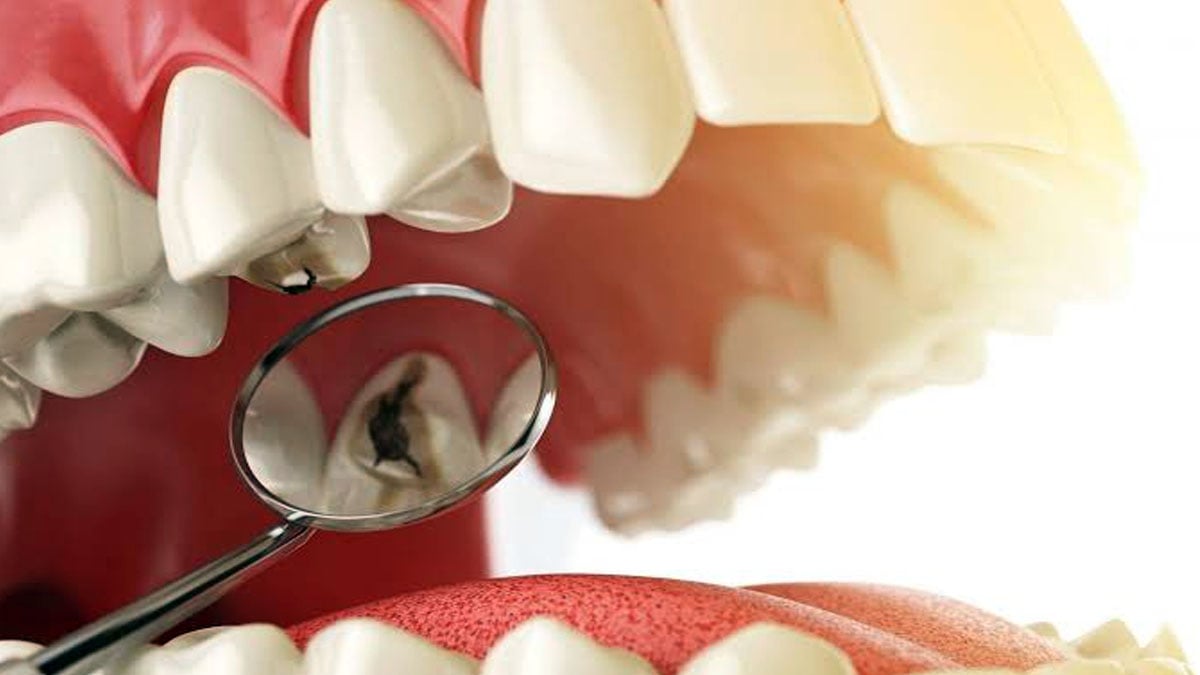
Tooth decay is the single most common chronic childhood disease in the U.S., affecting more than 40% of all children under age 6. In the past, treating cavities in very young toddlers typically meant drilling, shots, and often surgery under general anesthesia.
But now, a landmark Phase III clinical trial conducted by University of Michigan researchers and published in JAMA Pediatrics shows that a simple liquid treatment-Silver Diamine Fluoride (SDF)-can stop cavity progression in baby teeth with no drill and no shots.
What is Silver Diamine Fluoride (SDF)?
Silver Diamine Fluoride is a 38% topical liquid that has two key ingredients:
Silver: This acts as a disinfectant, killing the bacteria that contribute to cavities while prohibiting more bacteria from growing.
Fluoride: This element helps to remineralize, strengthen, and repair the weakened enamel and dentin and stop decay in its tracks.
Unlike traditional cavity repair which requires physical removal of the decayed tooth tissue with a high-speed drill before a restoration (filling) is placed, SDF can simply be painted directly on to the surface of the tooth with a small brush. Each tooth takes only a few seconds to treat.
Key Findings from Landmark Phase III Trial
While dentists have been using SDF safely overseas for decades and the U.S. Food and Drug administration approved it for sensitivity treatment in 2014, there was a need for large-scale clinical data in U.S. Pediatric populations to warrant formal FDA clearance of the drug as a caries arrestment treatment.
Funded by more than $12 million in grant money from the National Institute of Dental and Craniofacial Research (NIDCR), 830 children under the age of 6 were treated at research sites in Michigan, New York, and Iowa.
Takeaways from the Study:
High success rate: Each tooth received a 38% SDF application every six months and over 50% of baby teeth were caries arrestment.
No sedation is needed: The treatment can be administered to children as young as 1 without shots, a drill or general anesthesia.
Path to FDA clearance: the clinical data in the trial will support manufacturer’s submit a drug application to the FDA for dental caries, which will eventually increase insurance reimbursement and adoption of the treatment.
Pros and Cons of SDF Treatment for Cavities
Advantages / Drawbacks
100% Painless: No shots, no drill, and no sound associated with traditional cavity treatment. Permanent Staining: The silver will cause the decayed section of the tooth to turn black.
Fast application. Reapplication needed every 6 months.
Accessible: can be applied in the primary medical setting in addition to the dental practice. Cosmetic drawback: Does not restore tooth anatomy or shape where there is a significant broken chunk of the tooth.
Note on Appearance: The dark stain from the silver can be perceived as a negative factor for a front tooth. For many parents, that is still a price they are willing to pay to spare their young child painful invasive treatment and surgery-especially for baby teeth that will fall out naturally within years.
Impact of SDF on Public Health and pediatric Care
This treatment may revolutionize how dental care is provided to young children:
Early intervention in medical practices: Many young children will see a pediatrician long before they will ever visit a pediatric dentist. Allowing them to have cavities diagnosed and treated in their pediatrician’s office during a regular well visit could help avert significant decay and pain.
Ideal for vulnerable patients: SDF offers a powerful treatment solution for toddlers, elderly individuals, special needs or developmentally disabled patients, and individuals with dental anxiety.
Emergency prevention: Emergency rooms are often filled with children experiencing tooth pain with no options for dental restoration available in that setting. The SDF treatment can be a very low-cost method to halt decay and prevent emergency room visits while arrangements are made for further dental care.
Bacteria identified rapidly using new robotic sensing platform
The eventual shift from off-label use of the treatment for cavity prevention to an FDA approval will ultimately provide better access to affordable, painless care for many children and help protect their smiles for the long haul.