


Mert Arslanalp, assistant professor of political science at Istanbul’s Bogazici University, said it was Erdogan’s “severest election defeat” since coming to national power in 2002.
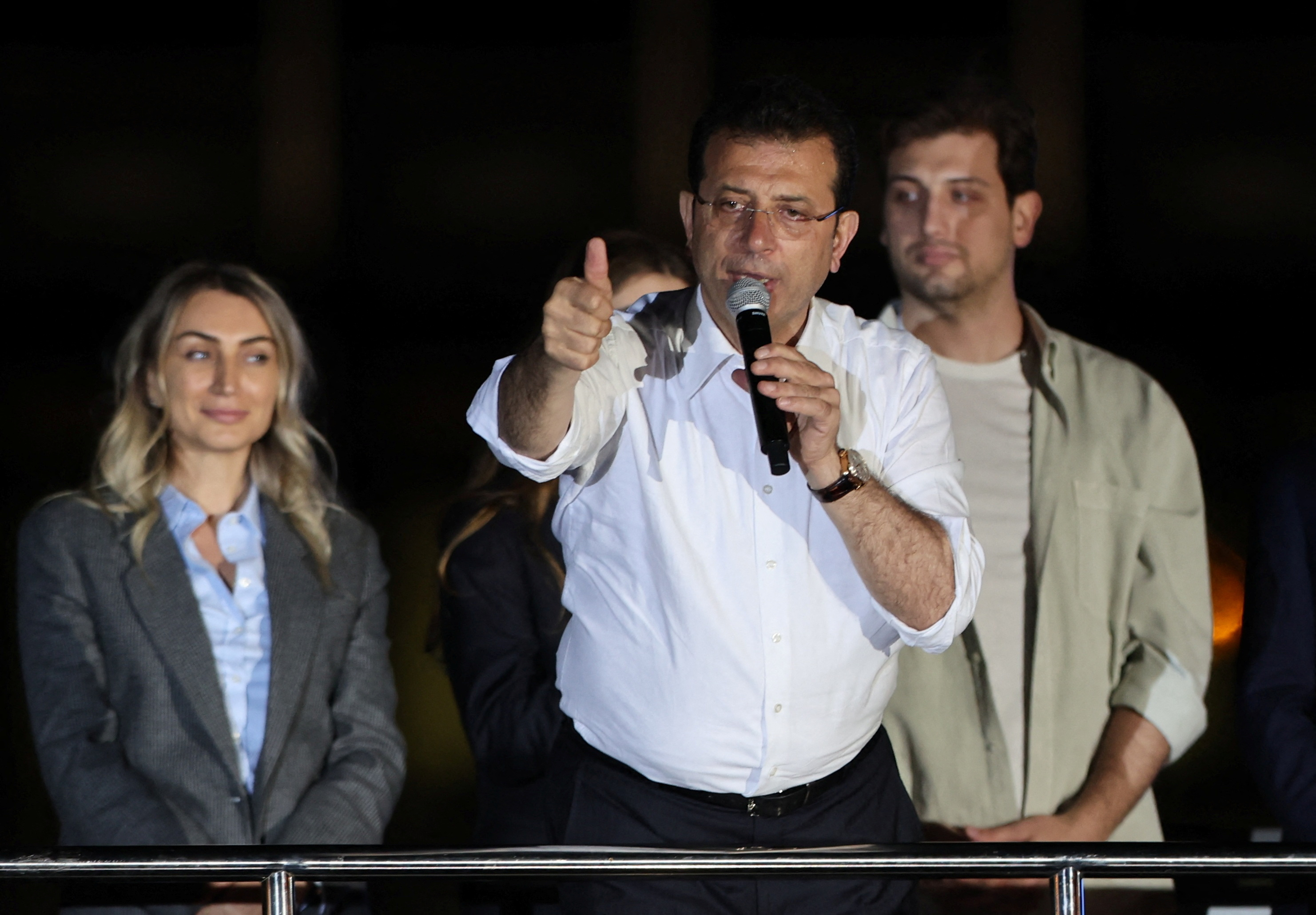
“Imamoglu demonstrated he could reach across the deep socio-political divisions that define Turkey’s opposition electorate even without their institutional support,” he said. “This makes him the most politically competitive rival to Erdogan’s regime.”
IMAMOGLU’S RISE
In 2019, Imamoglu had dealt Erdogan a sharp electoral blow when he first won Istanbul, ending 25 years of rule in the city by AKP and its Islamist predecessors, including Erdogan’s own run as its mayor in the 1990s. CHP also won Ankara that year.
The president struck back in 2023 by securing reelection and a parliamentary majority with his nationalist allies, despite a years-long cost-of-living crisis.
Analysts said the economic strains, including nearly 70% inflation and a slowdown in growth brought on by an aggressive monetary-tightening regime, moved voters to punish AKP this time.
“The economy was the decisive factor,” said Hakan Akbas, a senior adviser at the Albright Stonebridge Group. “Turkish people demanded change and Imamoglu is now the default nemesis to President Erdogan.”
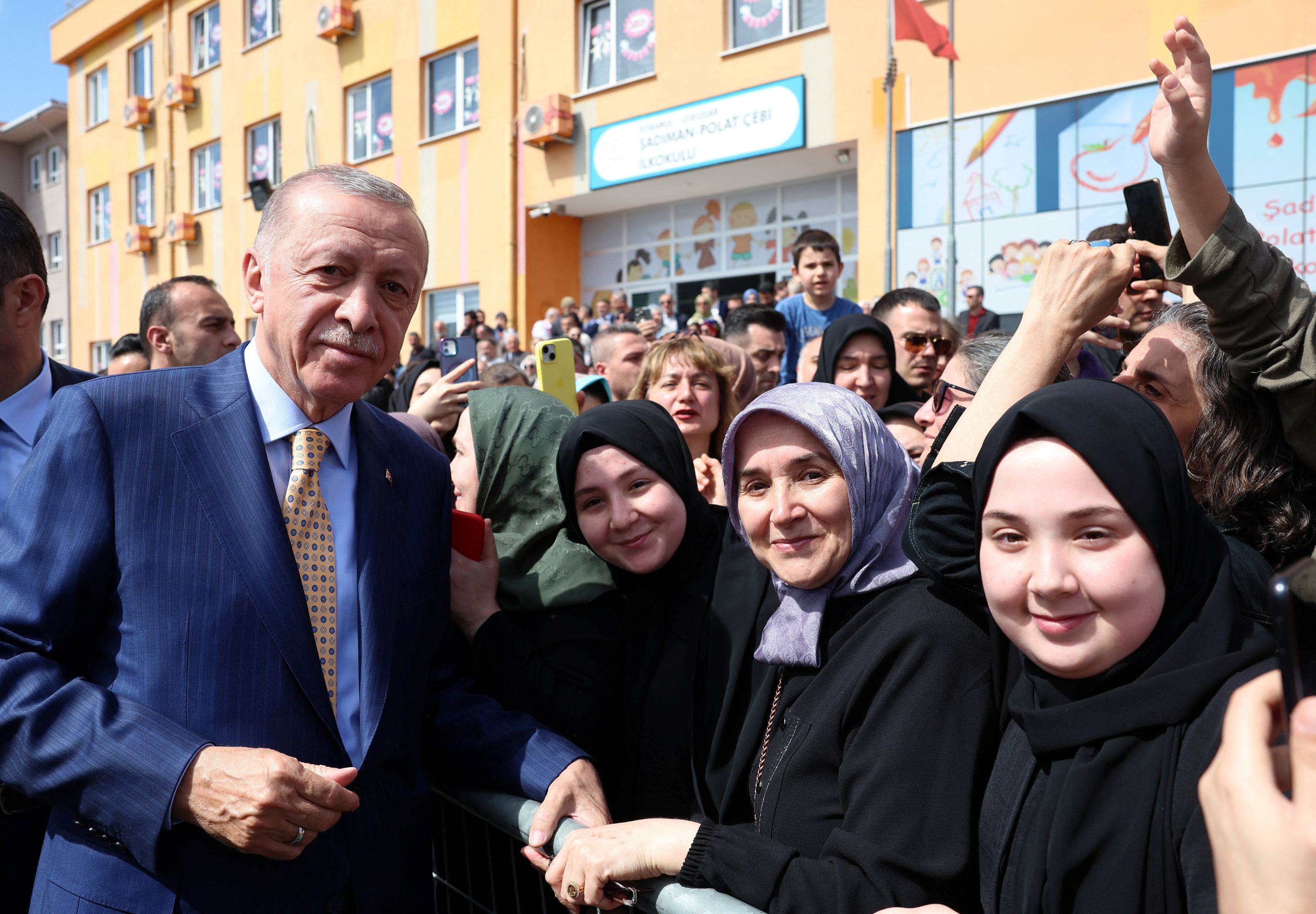
Erdogan said ending the second election cycle in less than a year will itself bring a reprive for the economy.
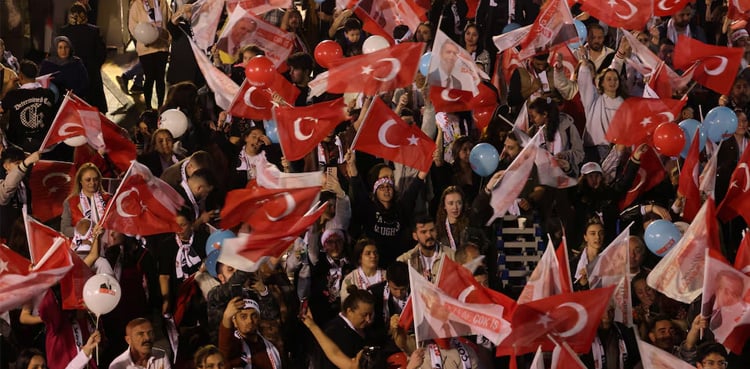
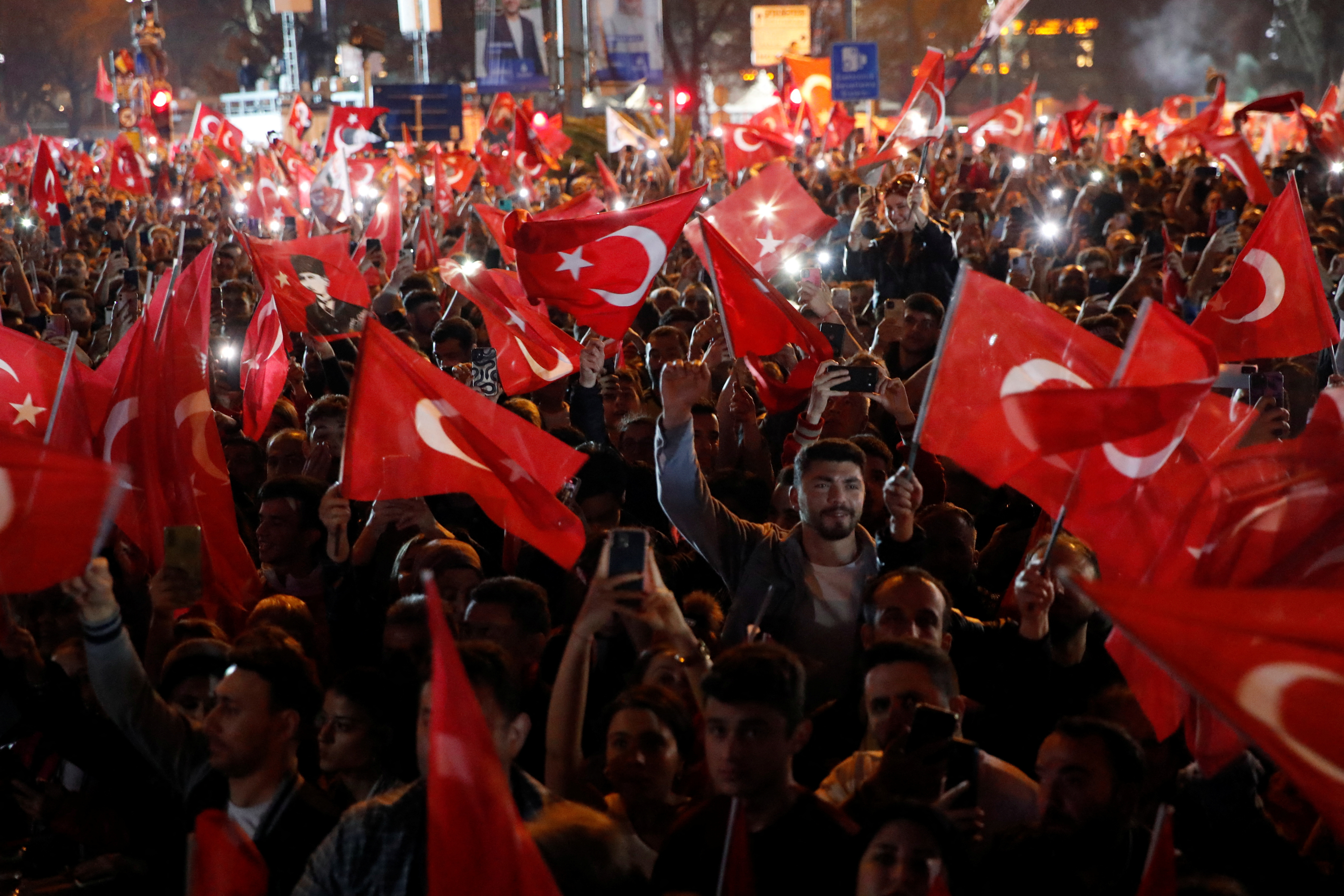
In front of the Istanbul Municipality building, flag-waving supporters said they wanted to see Imamoglu challenge Erdogan for the presidency in the future.
“We are very happy. I love him so much. We would like to see him as president,” said Esra, a housewife.
Rising popular support for the Islamist New Welfare Party, which took an even more hardline stance than Erdogan against Israel over the Gaza conflict, also sapped AKP support. The party took Sanliurfa from an AKP incumbant in the southeast.
Imamoglu was reelected despite the collapse of the opposition alliance that failed to topple Erdogan last year.
The main pro-Kurdish party, which backed Imamoglu in 2019, fielded its own candidate under the DEM banner in Istanbul this time. But many Kurds put aside party loyalty and voted for him again, the results suggest.
In the mainly Kurdish southeast, DEM reaffirmed its strength, winning 10 provinces. Following previous elections, the state has replaced pro-Kurdish mayors with state-appointed “trustees” following previous elections over alleged militant ties.
Violence erupted earlier in the day, including one incident in the southeast in clashes by groups armed with guns, sticks and stones, killing one and wounding 11. In another, one neighbourhood official, or “muhtar”, candidate was killed and four people were wounded in a fight, Anadolu reported.
Several others were hurt in other incidents while one person was shot dead and two were wounded overnight ahead of the vote in Bursa, the Demiroren news agency reported.